1) Decarbonization & green regulations become the norm —not an option
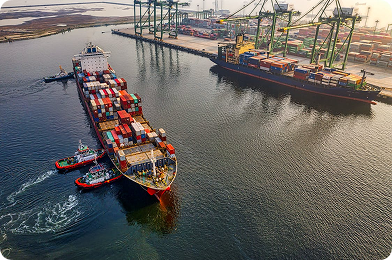
The shipping and global transport industry is under regulatory and market pressure to cut emissions: the IMO regulatory framework and carbon market policies for ships have moved towards stricter emission standards, driving a shift to low/clean fuels and investment in energy efficiency technologies. These changes force forwarders, carriers, and customers to rethink routes, mode selection, and long-term service pricing.
Impact & real-world examples
Investment in alternative fuels (ammonia, hydrogen, biofuels) and retrofitting ships for efficiency.
Companies are starting to bid for a “green premium” — services that reduce carbon footprints are priced higher.
Challenges
High transition costs, alternative fuel infrastructure is not widespread, and national/regional regulatory uncertainty slows adoption.
What companies should do
Calculate carbon footprint (scope 1–3) and create a decarbonization roadmap.
Collaborate with ports and fuel suppliers for pilot programs.
Design implications (UI/UX)
Integrated emissions dashboard (transparency for shipper/consignee).
Visualize cost vs. emissions trade-offs so users can choose delivery options that align with their values.
1) Decarbonization & green regulations become the norm —not an option
The shipping and global transport industry is under regulatory and market pressure to cut emissions: the IMO regulatory framework and carbon market policies for ships have moved towards stricter emission standards, driving a shift to low/clean fuels and investment in energy efficiency technologies. These changes force forwarders, carriers, and customers to rethink routes, mode selection, and long-term service pricing.
Impact & real-world examples
Investment in alternative fuels (ammonia, hydrogen, biofuels) and retrofitting ships for efficiency.
Companies are starting to bid for a “green premium” — services that reduce carbon footprints are priced higher.
Challenges
High transition costs, alternative fuel infrastructure is not widespread, and national/regional regulatory uncertainty slows adoption.
What companies should do
Calculate carbon footprint (scope 1–3) and create a decarbonization roadmap.
Collaborate with ports and fuel suppliers for pilot programs.
Design implications (UI/UX)
Integrated emissions dashboard (transparency for shipper/consignee).
Visualize cost vs. emissions trade-offs so users can choose delivery options that align with their values.
1) Decarbonization & green regulations become the norm —not an option
The shipping and global transport industry is under regulatory and market pressure to cut emissions: the IMO regulatory framework and carbon market policies for ships have moved towards stricter emission standards, driving a shift to low/clean fuels and investment in energy efficiency technologies. These changes force forwarders, carriers, and customers to rethink routes, mode selection, and long-term service pricing.
Impact & real-world examples
Investment in alternative fuels (ammonia, hydrogen, biofuels) and retrofitting ships for efficiency.
Companies are starting to bid for a “green premium” — services that reduce carbon footprints are priced higher.
Challenges
High transition costs, alternative fuel infrastructure is not widespread, and national/regional regulatory uncertainty slows adoption.
What companies should do
Calculate carbon footprint (scope 1–3) and create a decarbonization roadmap.
Collaborate with ports and fuel suppliers for pilot programs.
Design implications (UI/UX)
Integrated emissions dashboard (transparency for shipper/consignee).
Visualize cost vs. emissions trade-offs so users can choose delivery options that align with their values.
1) Decarbonization & green regulations become the norm —not an option
The shipping and global transport industry is under regulatory and market pressure to cut emissions: the IMO regulatory framework and carbon market policies for ships have moved towards stricter emission standards, driving a shift to low/clean fuels and investment in energy efficiency technologies. These changes force forwarders, carriers, and customers to rethink routes, mode selection, and long-term service pricing.
Impact & real-world examples
Investment in alternative fuels (ammonia, hydrogen, biofuels) and retrofitting ships for efficiency.
Companies are starting to bid for a “green premium” — services that reduce carbon footprints are priced higher.
Challenges
High transition costs, alternative fuel infrastructure is not widespread, and national/regional regulatory uncertainty slows adoption.
What companies should do
Calculate carbon footprint (scope 1–3) and create a decarbonization roadmap.
Collaborate with ports and fuel suppliers for pilot programs.
Design implications (UI/UX)
Integrated emissions dashboard (transparency for shipper/consignee).
Visualize cost vs. emissions trade-offs so users can choose delivery options that align with their values.